
There’s no denial of the world’s love for penguins, they have been largely represented in the film industry for years. Examples include Happy Feet (2006,) Surf’s Up (2007,) and the Penguin’s of Madagascar (2014) and even massive online multiplayer games like Club Penguin (2005-2016)
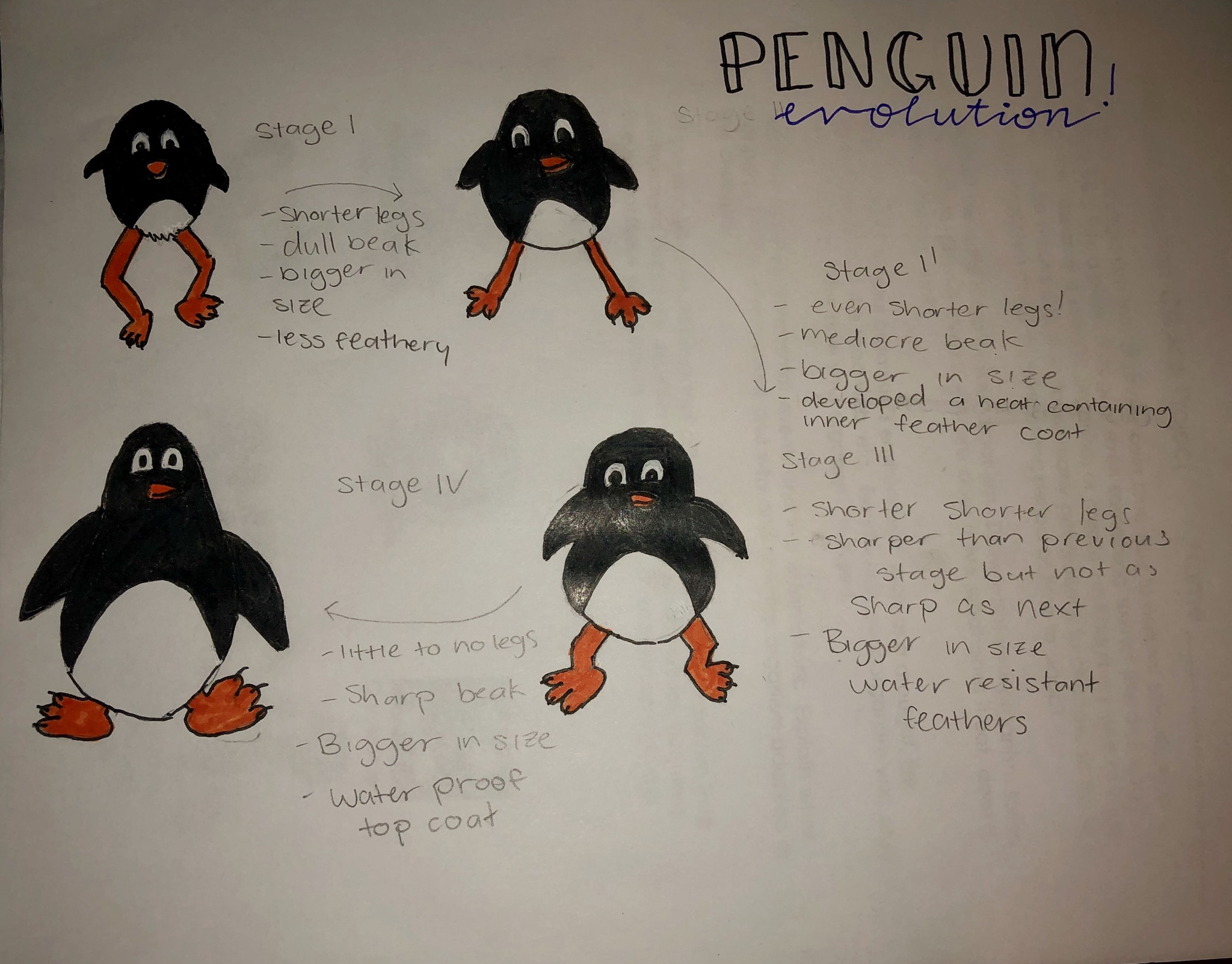
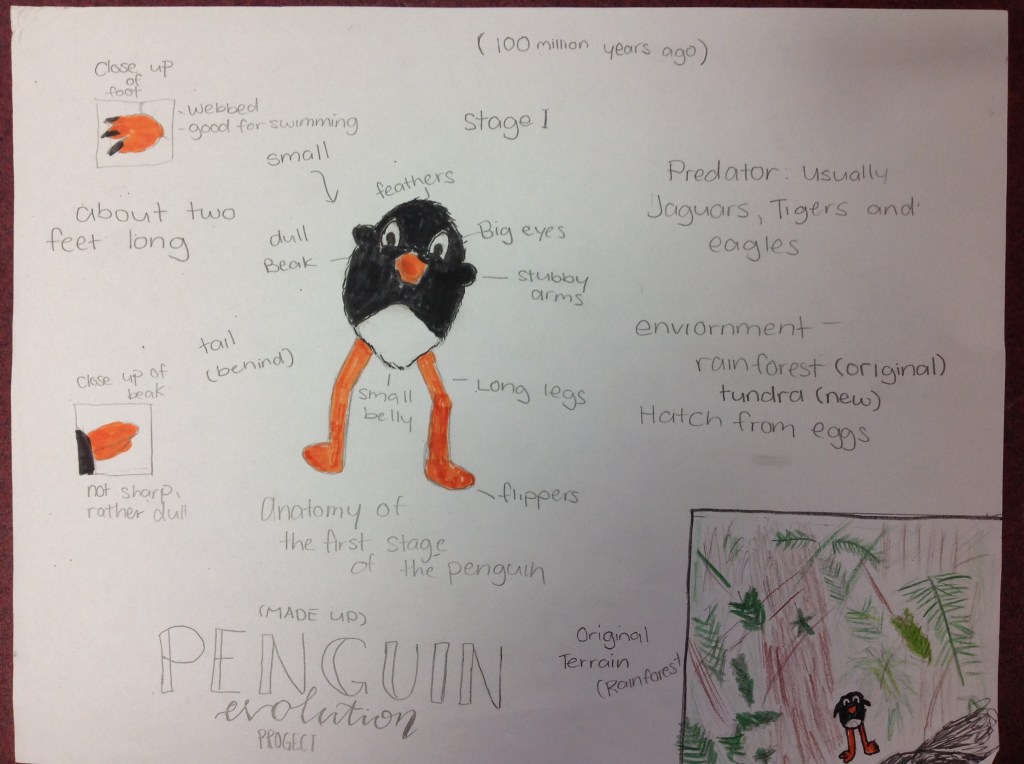
These birds haven’t always looked the way they were popularized today. Around 500 million years ago Penguins were no bigger than two feet tall and they had legs bigger than their body, while their body looked like a small feathery looking ball.
Scientists like Dr. Ryleigh Zimbabwe have theorized and studied the evolutional change on these birds for years.
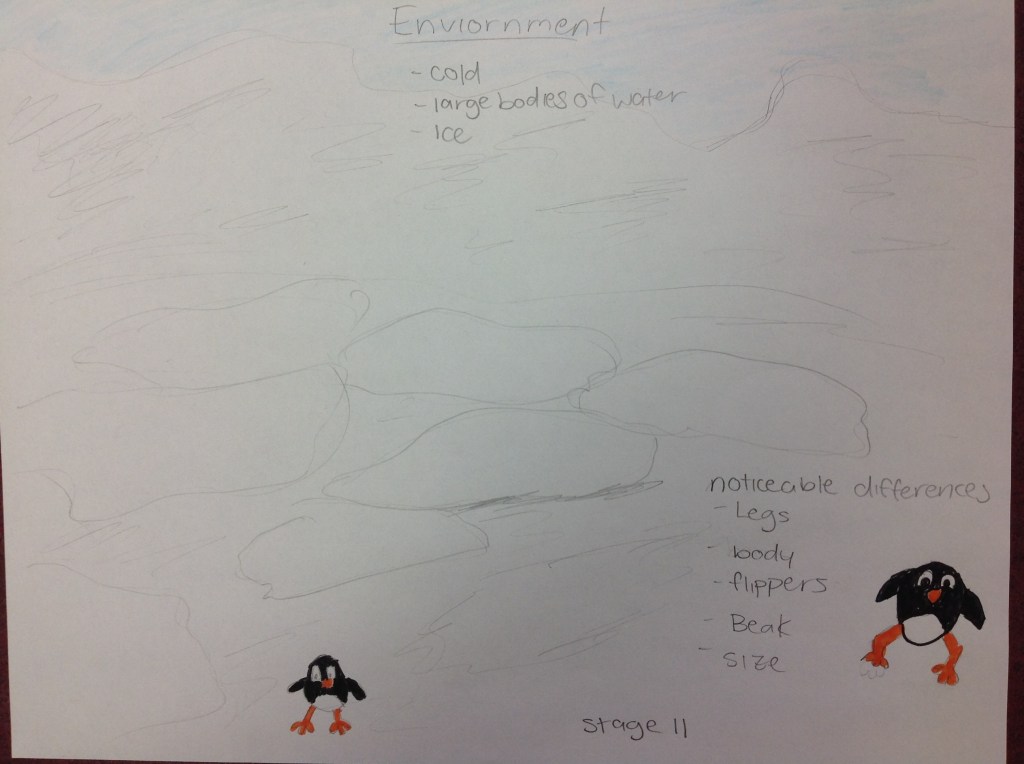
Dr. Zimbabwe claimed that Penguins have once lived in the green Rain Forest and their long legs (about one foot and four inches) carried them to the tundra, because of the disruption to their food sources they went to the tundra in search for more of their main food source— fish. And with this happening, their long legs started shrinking in size over the years passing. Dr. Zimbabwe explained it like this—
“The early stages of a Penguins legs naturally— I’d like to say, just shrank over time. However there were tests done to show that the legs shortened due to natural selection. Shorter legged penguins were forced to stay in the tundra— where conveniently had all of their source of food. Longer-legged penguins traveled elsewhere, eventually dying of starving. As years went by, the Penguins legs became shorter.”
Dr. Ryleigh Zimbabwe
As said before they had unusually long legs, bigger than their bodies— which was presumed to look like an ostriches’ legs.
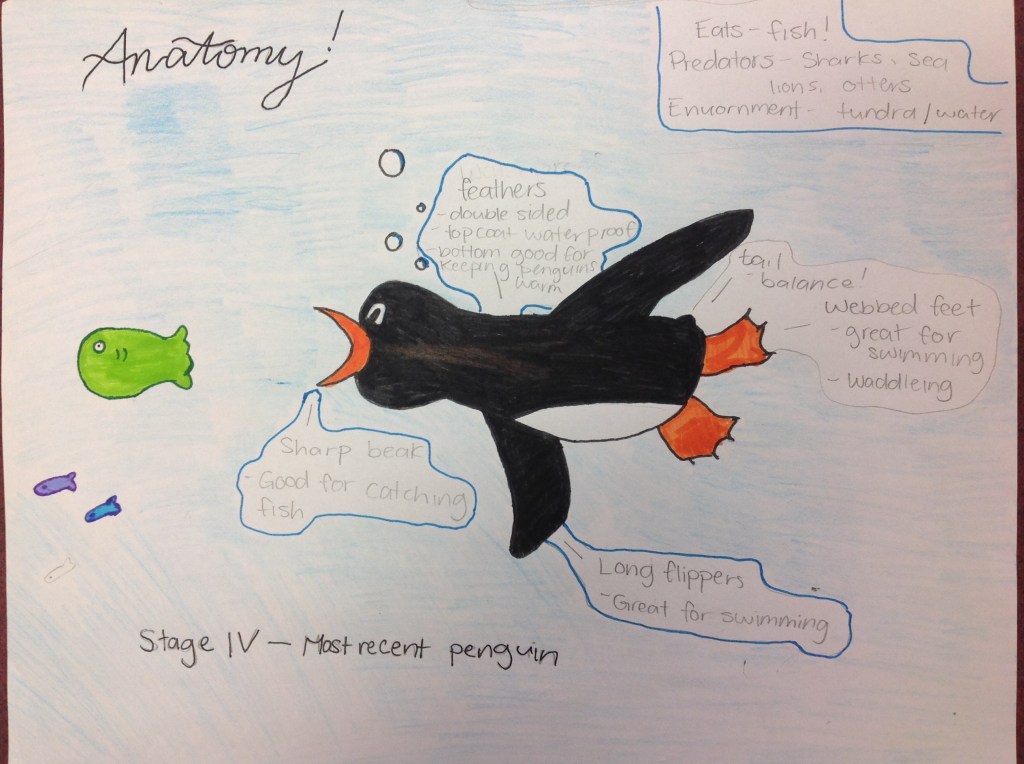
Their legs weren’t the only thing that adapted to the environment. Penguins eventually developed to sided coats. Zimbabwe says this adaptation probably adapted 300-250 million years ago. The top coat, was specially made for their swimming activities, the feather’s are water proof. While the inner coat protects the penguins from the cold. Keeping them warm from the icy weathers of the frozen tundra.
“Penguins also had ‘less noticeable changes’ their beaks were rather dull in it’s original stages. It was unnecessary for them to need sharp beaks, unlike modern day penguins who need the beaks to catch fish.”
Dr. Ryleigh Zimbabwe
Penguins 500 million years ago had dull beaks and like their feet getting shorter gradually with time, their beaks became sharper. In the tundra they needed their sharp beaks to fish for their food, in comparison to their rain forest life where they fished out of rivers. Natural Selection took over— the sharper beaked, shorter legged penguins survived while the dull beaked, long legged penguins didn’t.
And with this penguins became bigger per se, because they have more food to eat compared to penguins that live in the rainforest. Not only did their body became bigger, their arms became longer, fit for swimming faster— again to catch fish and to out swim their predators (including but not limited to sea otters, seals, polar bears.. ext.)
 Shan's Science